-
Understanding the N:P Ratio in Reef Aquariums
Where modern reef aquariums are concerned, nutrient control becomes a simple mathematical calculation. It is now possible to test for nitrate (NO3) and phosphate (PO4) contents and then compare these results with what is considered optimal levels, with both reduced to their lowest possible amount. On the surface, this method appears sound and even comforting.…
-
Dissolved Organic Matter in Marine Aquariums: Structure, Biogeochemical Role, and Strategic Management
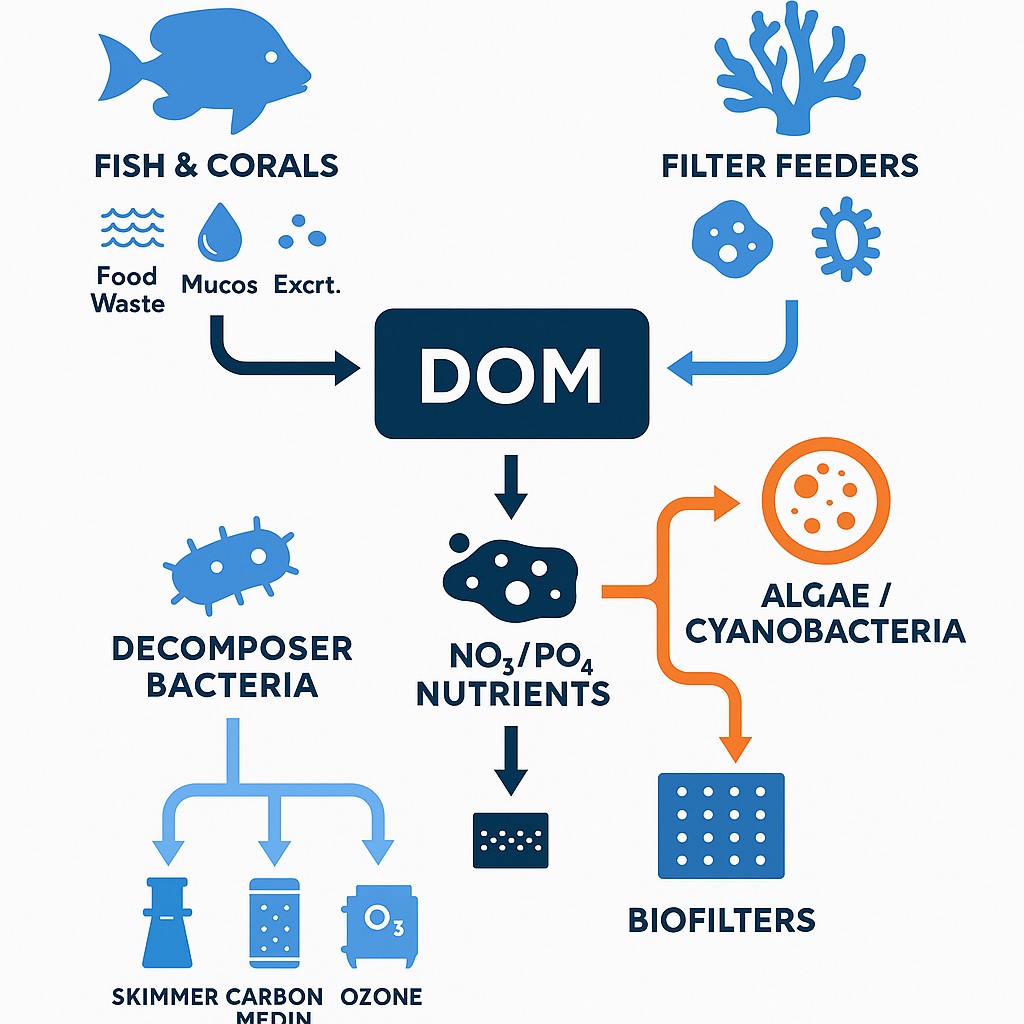
Dissolved Organic Matter (DOM) is an essential and multi-faceted component of marine aquarium biogeochemistry. Through the control of microbial productivity, the alteration of the nutrient flux, and the exercise of significant control over the general stability of the ecosystem, DOM has an unavoidable role. For all that DOM is constantly cycled through natural reefs by…
-
Essential Water Parameters in a Reef Aquarium
I have found over the years that it takes more than technology or high cost equipment to build a healthy reef tank, it takes managing the sensitive chemistry on which all life relies. Corals, fish, and invertebrates are not mere travelers in our tanks; they are part of a very sensitive system reliant on stability,…
-

Iron in Marine Aquariums: Benefits, Dosage, Monitoring, and Risks
Iron is an essential nutrient for marine organisms. SPS corals utilize iron in the process of photosynthesis. Borneman, Eric H. “Aquarium Corals; Selection, Husbandry, and Natural History” (TFH Publications, 2001). Iron plays a crucial role in chlorophyll production. Chlorophyll, a pigment found in the zooxanthellae, is responsible for capturing light energy during photosynthesis. It has…
-

Mastering the Balling Method: Tips and Tricks for Successful Reefkeeping
The Balling Method is a popular and effective way to supplement important trace elements and minerals to a marine aquarium. In this post, we’ll discuss what the Balling Method is, how it works, and its benefits for your marine aquarium. I started with the balling method in the 2014 with this tank : At that…
-
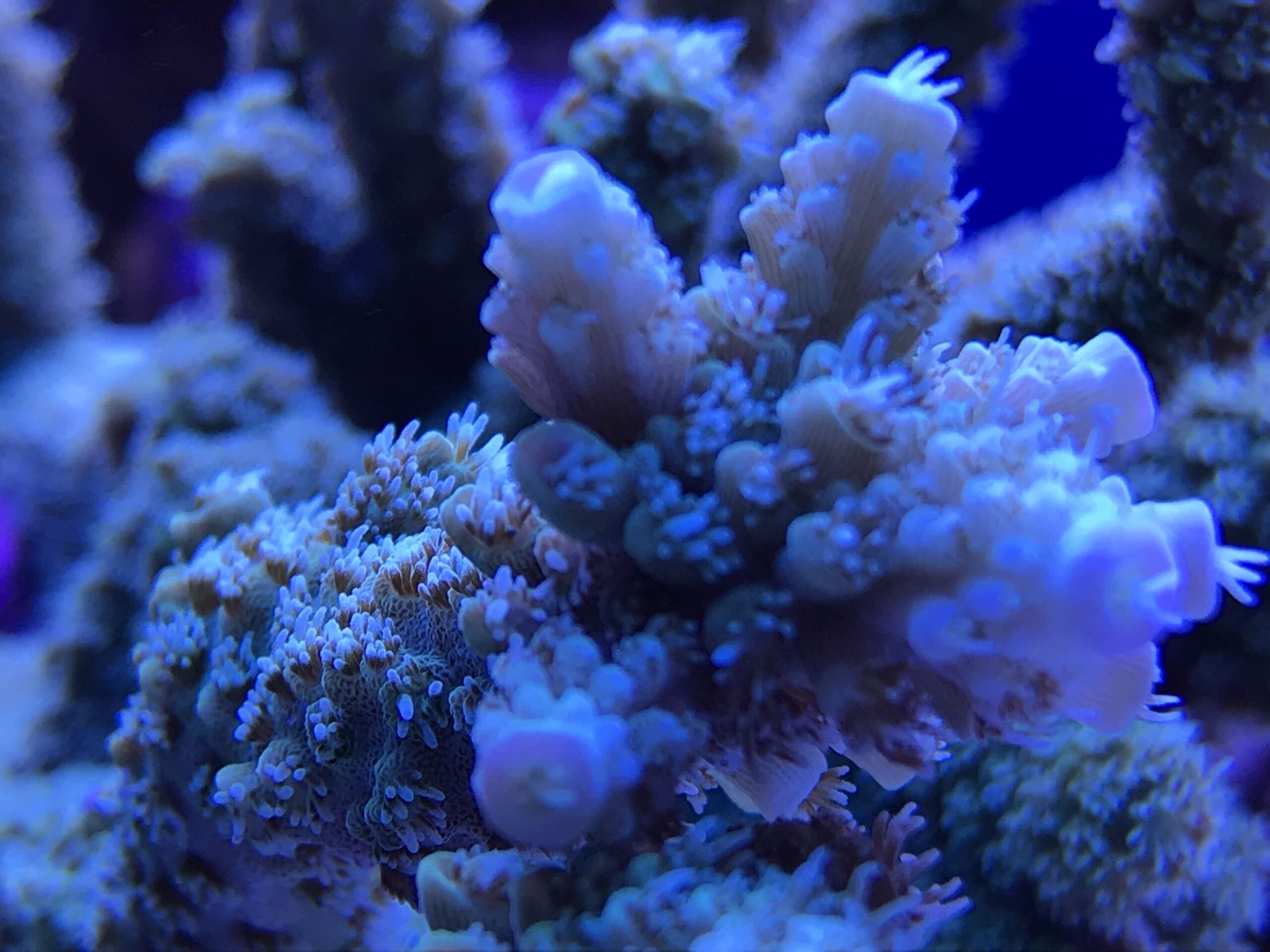
The triad in marine aquarium, what you need to know.
Calcium (Ca), Magnesium (Mg), and Carbonate Hardness (KH). These three elements are essential for the growth and health of corals, which are the cornerstone of any reef tank. In this article, the relative significance of each component and how to keep them in good condition will be discussed. Calcium: Calcium is the most critical component…
-

Vodka and your reef tank: What you need to know
The Vodka method is a popular technique used by many aquarists to maintain optimal water quality in a barrier reef aquarium. This method involves dosing the aquarium with small amounts of vodka, which can help to reduce the levels of nitrates and phosphates in the water. Nitrates and phosphates are essential nutrients for algae, which…
-

Managing Nutrients in a Reef Aquarium
A healthy reef aquarium requires proper nutrient management. Nutrients, such as nitrates and phosphates, are essential for the growth of corals and other organisms in the aquarium. However, excessive levels of nutrients can lead to the growth of algae and other unwanted organisms, which can harm the corals. In the last few weeks I have…
-

Understanding the Role of Phosphate (PO4) in Reef Aquariums: Importance, Control, and Management
Phosphates (PO4) are a source of phosphorus, an essential nutrient, for lots of organisms in the aquarium. Nevertheless, high phosphate concentrations can have negative impacts on the aquarium ecosystem. In a study conducted by the University of Florida, it was found that high phosphate levels can lead to increased growth of cyanobacteria, a harmful algae…
-
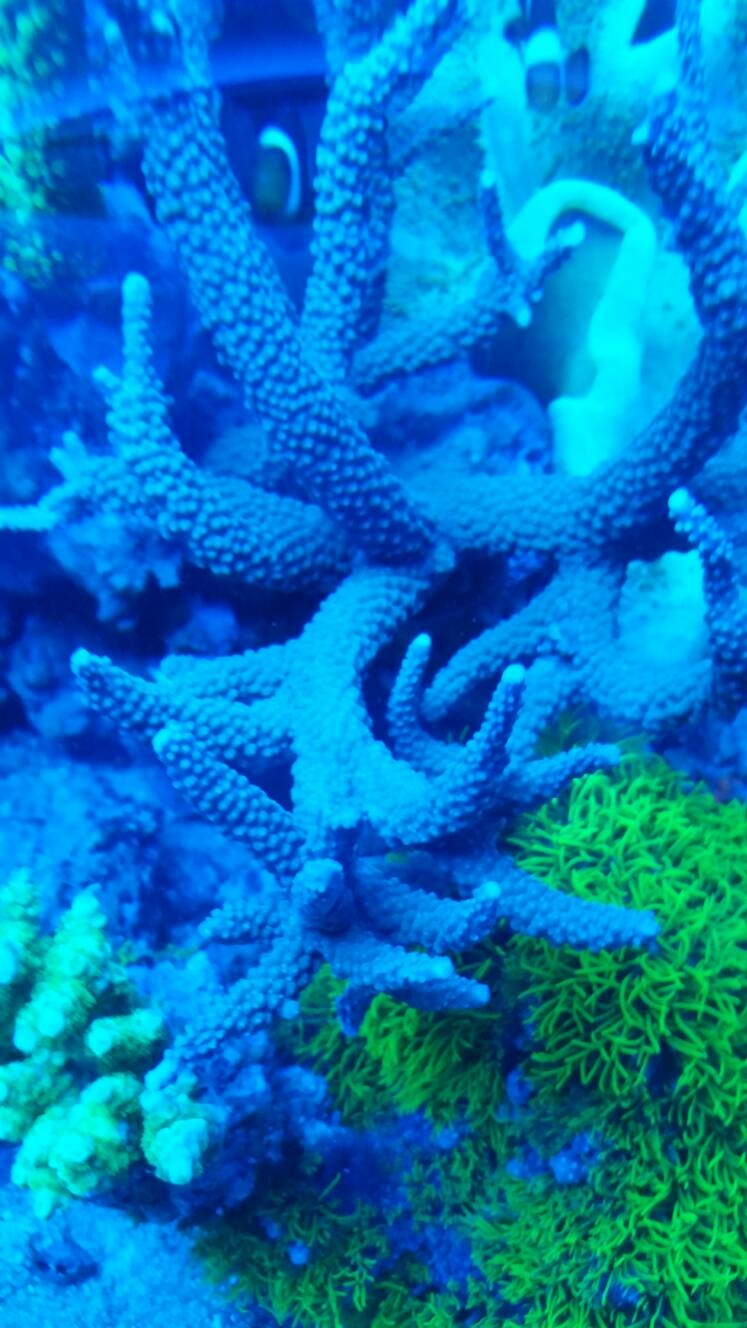
The Nitrogen cycle
The nitrogen cycle is a critical process in maintaining the health of a marine aquarium. The cycle is especially meaningful in a reef aquarium, because this cycle is the key in the growth/survival of corals and other invertebrate animals. The nitrogen cycle starts with the decomposition of fish excretion and undigested food, and egestion which…
by AVen