Copepods in Barrier Reef Marine Aquariums
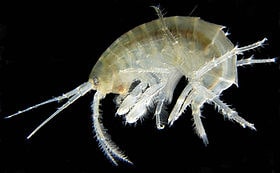
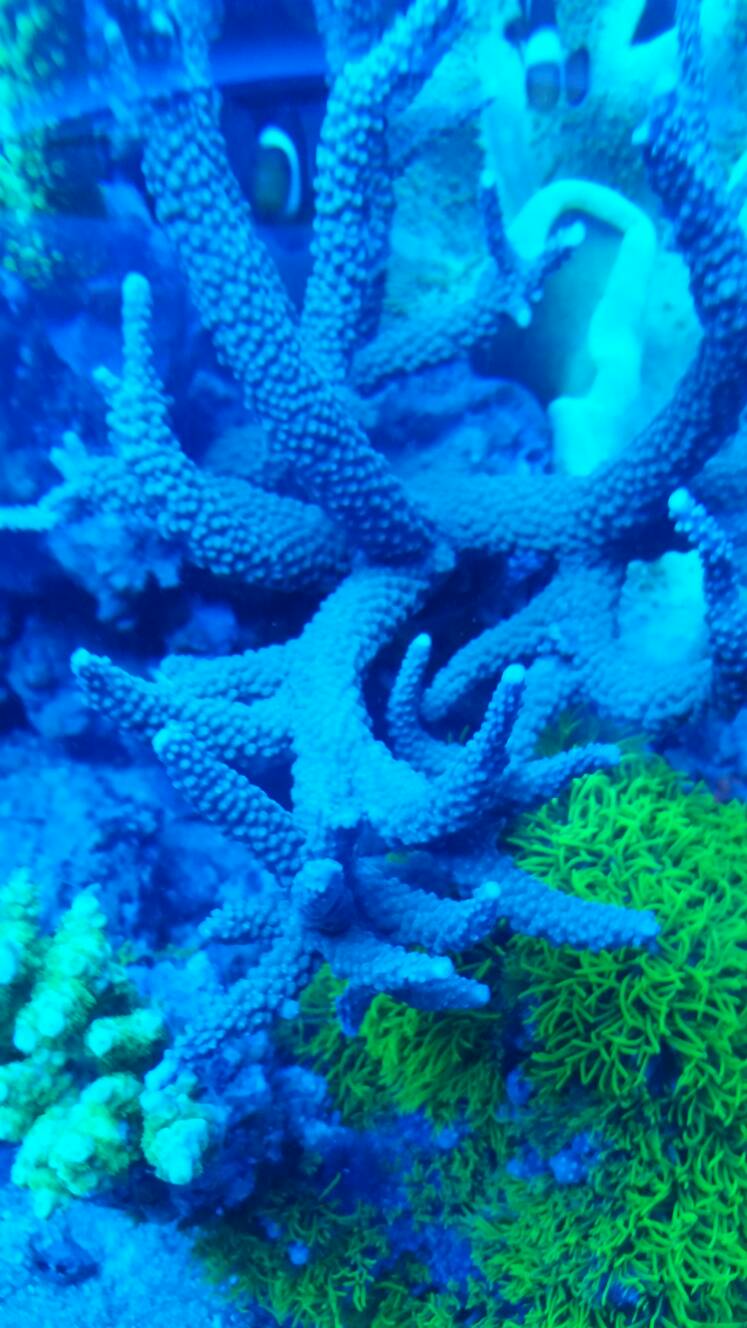
Copepods are small crustaceans playing an important role in marine food webs. They are most important within barrier reef ecosystems, where they are ecologically important as the food of fishes and other marine animals of a large number of species. In marine aquariums, copepods can also play an important role in maintaining a healthy and…

Management Methods….Which is better?
There are so many ways to manage a marine aquarium. Some methods require more effort and expense than others, so it’s important to choose the right one for your needs and budget. Following are some of the most usual strategies of controlling a marine aquarium. Natural Reef Method: The simplest way of stablizing a marine…

The Nitrogen cycle
The nitrogen cycle is a critical process in maintaining the health of a marine aquarium. The cycle is especially meaningful in a reef aquarium, because this cycle is the key in the growth/survival of corals and other invertebrate animals. The nitrogen cycle starts with the decomposition of fish excretion and undigested food, and egestion which…

Eunice
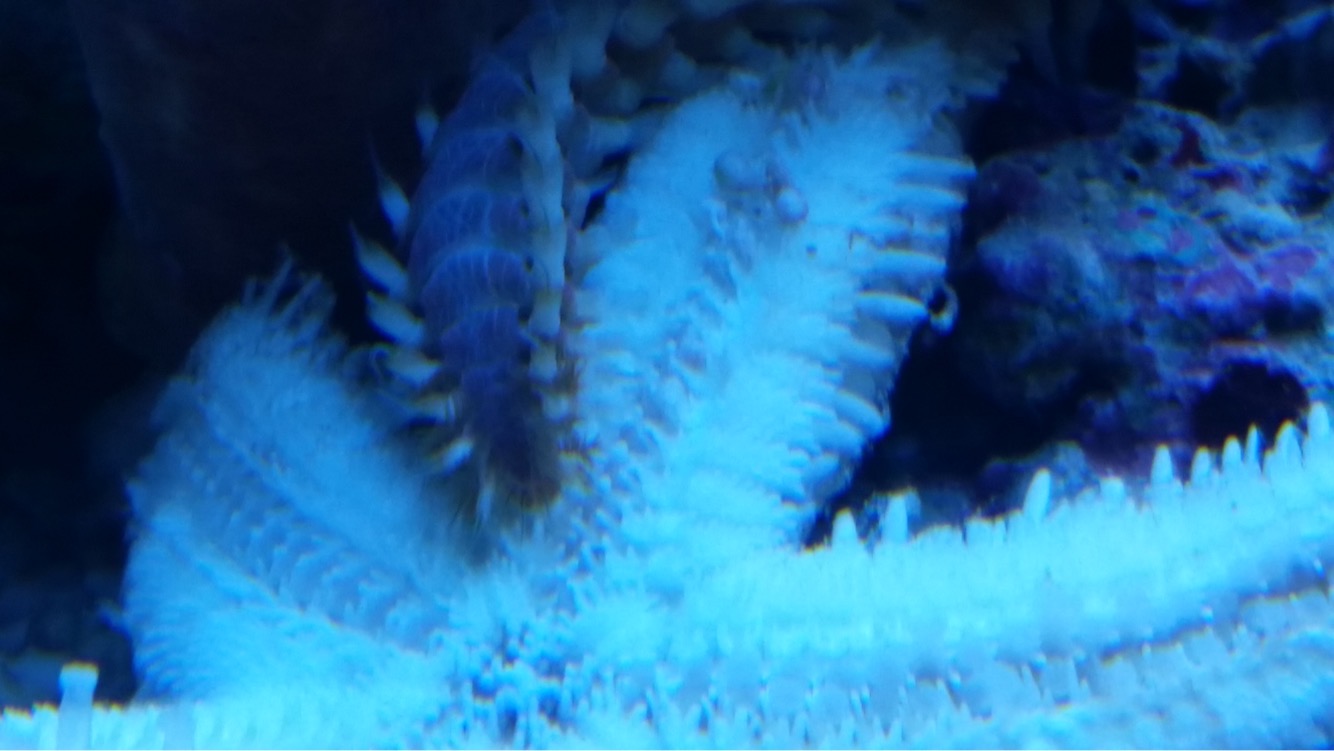
The Eunice worm, also known as the Bobbit worm, is a fascinating and mysterious creature that inhabits the ocean floor. This worm can grow up to 3 meters in length, and its body is made up of many segments that are covered in bristles. These bristles are used for locomotion and for capturing prey. The…

Hermodice carunculata
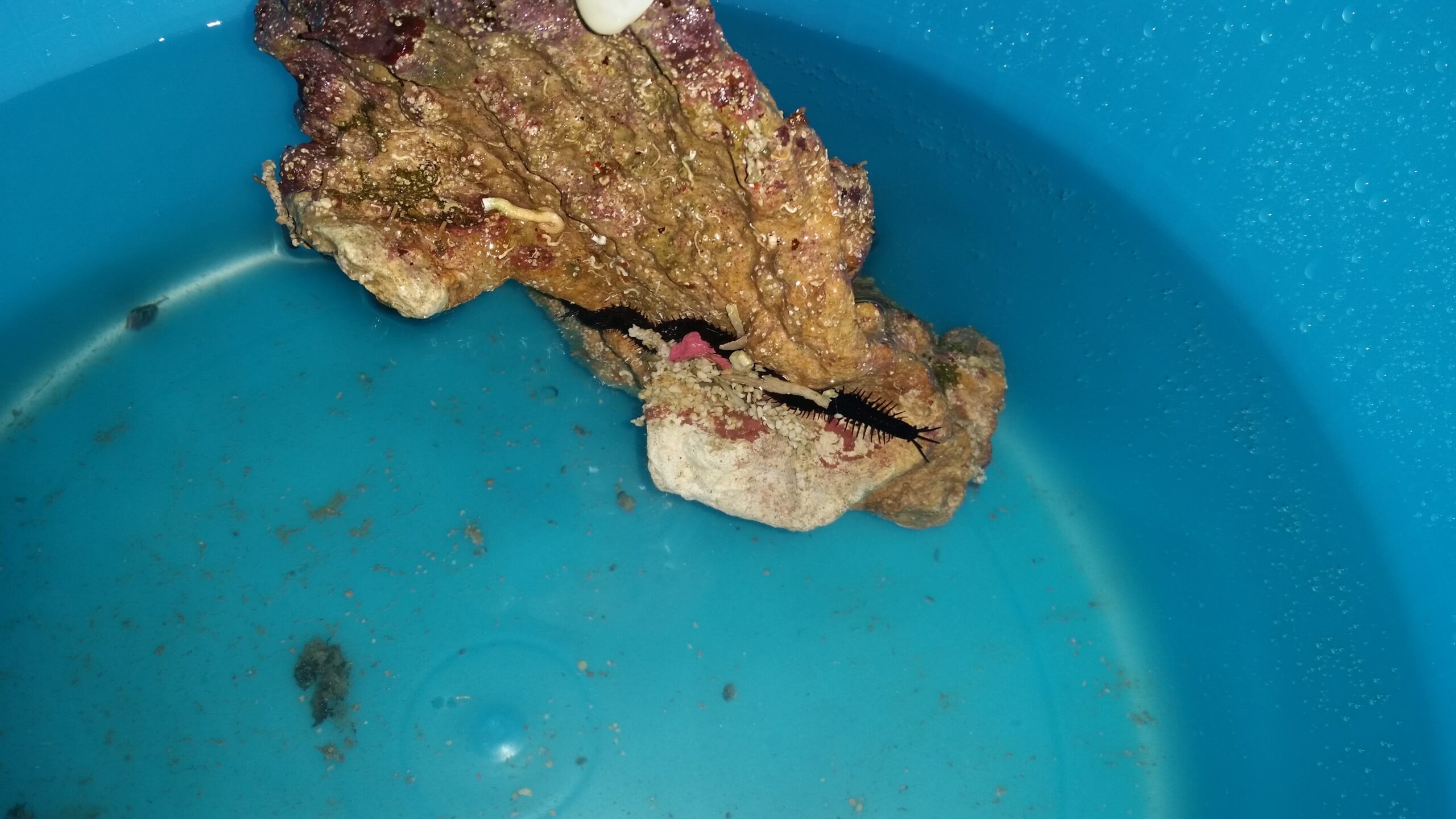
This is a wandering sea worm belonging to the class of Polychaeta. Harmless in aquariums and very useful when you have a DSB. It lives between rocks and seabed and is considered useful because it feeds on decaying substances,…

Reproduction of Pterapogon Kauderni
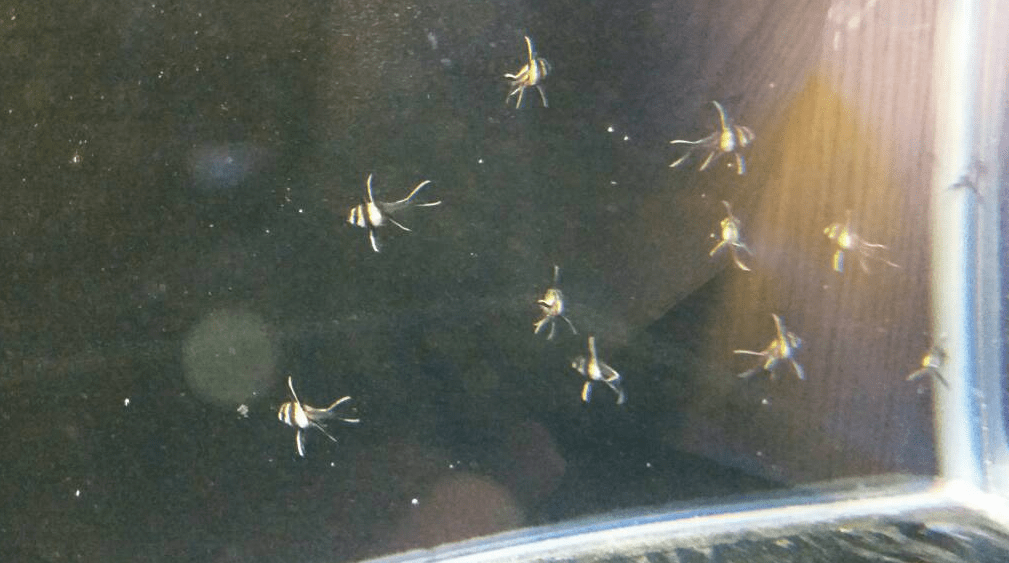
Pterapogon kauderni, also known as the Banggai cardinalfish, is a small and popular aquarium fish that is native to the Banggai Islands in Indonesia. It is a member of the Apogonidae family and is known for its distinctive black stripes on a silver-white body. The Banggai cardinalfish is a peaceful and social fish that is…

Intro to the Berlin Method
Berlin Method This methodology was created by D. Struber and P. Wilkens in Berlin, Germany. For this for reason it is also called the Berlin method. The main points of this method are: Do not use sand. Use of living rocks. Have a strong movement. Oversized skimmer. Strong lighting. 1. Clearly, sand is…

Deep Sand Bed (DSB) intro
Deep Sand Bed (DSB) intro This is an introduction to the DSB. In my opinion the important points of this method are: Set-up costs are reduced, as the quantity of live rocks is reduced by more than 50% and the technique (in particular lighting and skimmer) for the same tank size are less expensive. –…