How to Combat Derbesia in a Reef Aquarium
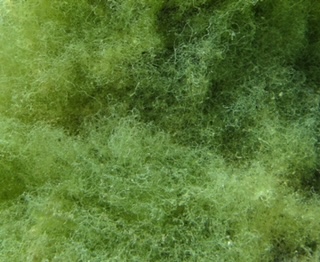
Derbesia is a class of green haired algae that can easily infest a reef aquarium system and run rampant if left unchecked. It is able to colonize nearly all surface areas such as live rock, sand, and corals. Fortunately, there are several effective ways to combat this nuisance algae. 1. Improve Water: Quality Derbesia thrives…

Coral coloration, some important points
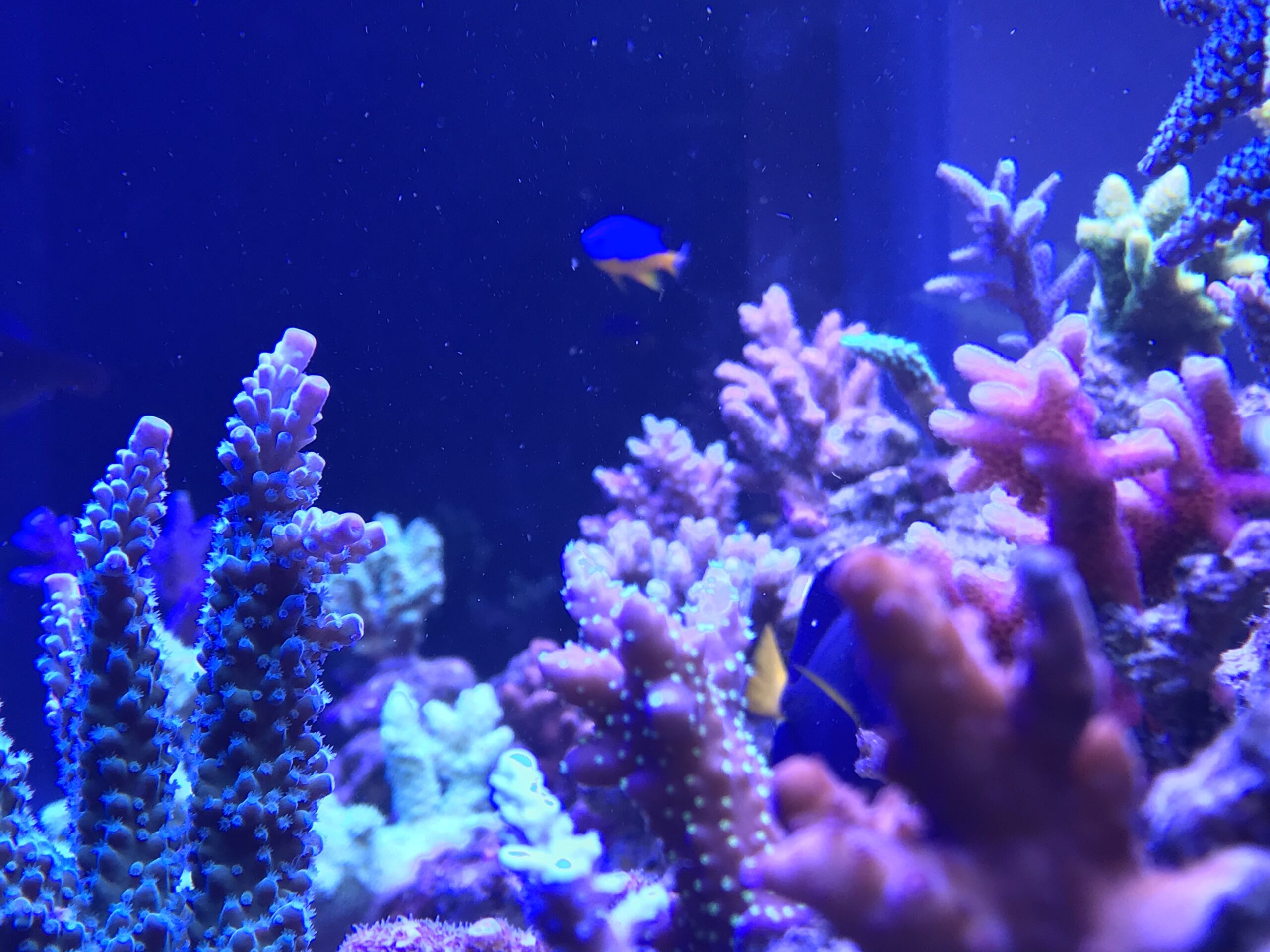
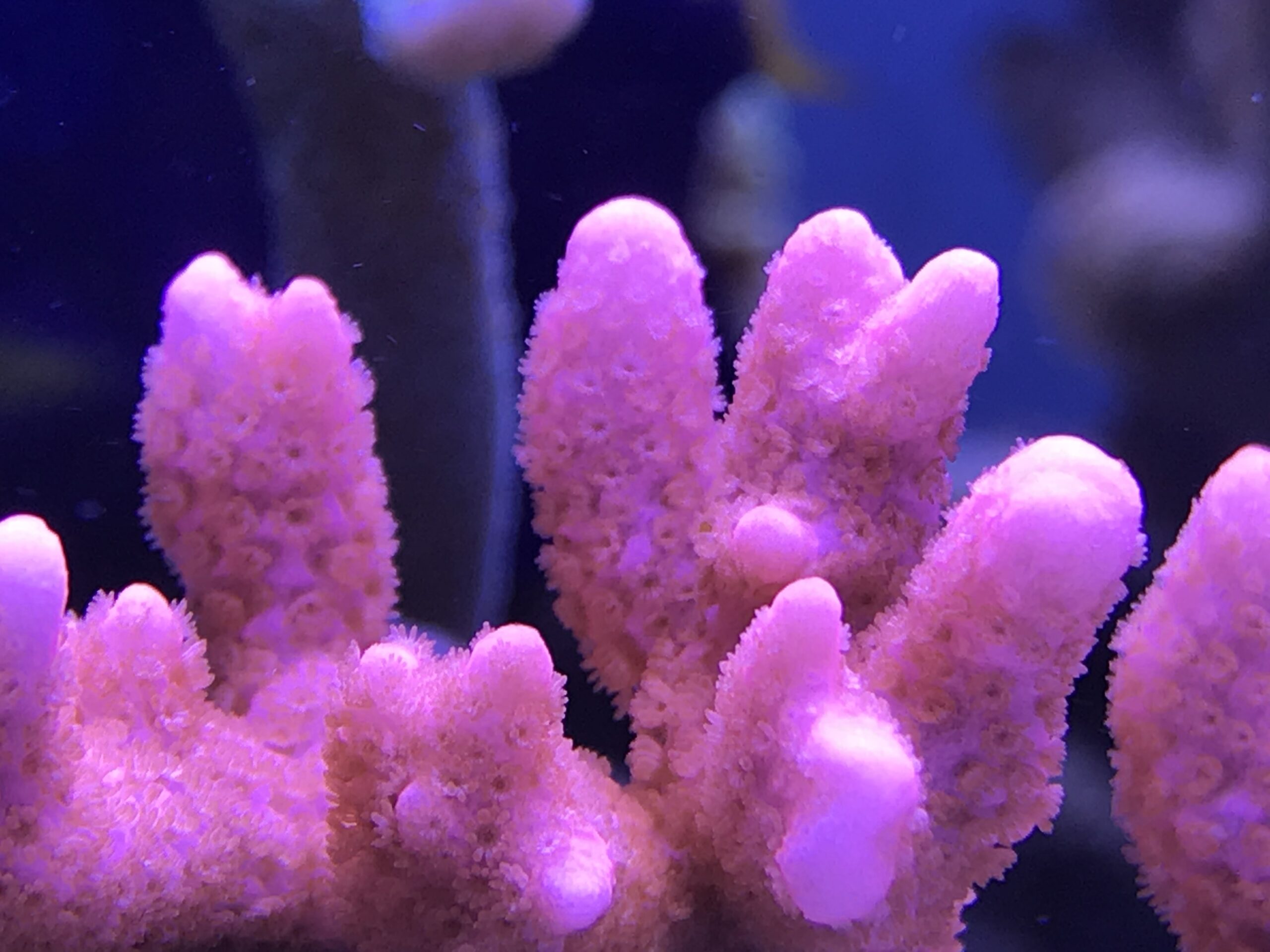
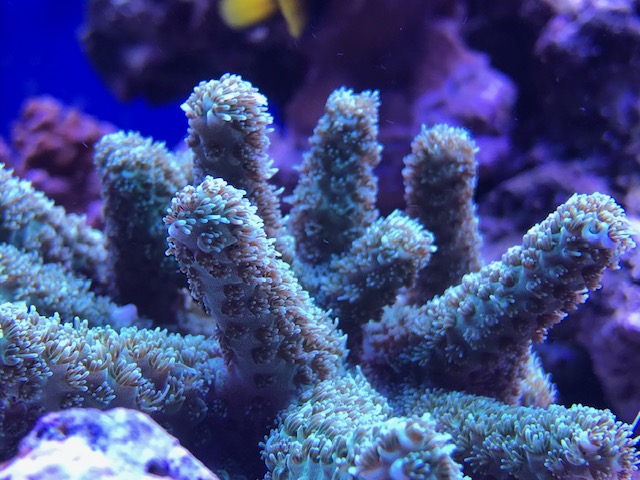
Coral colouration is an important environmental factor for a thriving reef aquarium. Corals are vibrantly coloured, ranging from vivid oranges and yellows to deep blues and purples. Coral hues are usually linked to positiveness, positiveness, enthusiasm and vitality. It is a bright and cheerful color that can be effective in eliciting positive emotions and increasing…
Managing Nutrients in a Reef Aquarium
A healthy reef aquarium requires proper nutrient management. Nutrients, such as nitrates and phosphates, are essential for the growth of corals and other organisms in the aquarium. However, excessive levels of nutrients can lead to the growth of algae and other unwanted organisms, which can harm the corals. In the last few weeks I have…

Bacteria in Live Rock: How They Work in Marine Aquariums
Live rock is a type of rock that is harvested from the ocean and contains a variety of living organisms, including bacteria, algae, and invertebrates. These organisms cooperate in a slime layer to form a biofilter, a natural purification system in the aquarium, which breaks down metabolic products and keeps water conditions stable. Live rock…

Understanding the Role of Phosphate (PO4) in Reef Aquariums: Importance, Control, and Management
Phosphates (PO4) are a source of phosphorus, an essential nutrient, for lots of organisms in the aquarium. Nevertheless, high phosphate concentrations can have negative impacts on the aquarium ecosystem. In a study conducted by the University of Florida, it was found that high phosphate levels can lead to increased growth of cyanobacteria, a harmful algae…
Cyanobacteria in Barrier Reef Aquariums: A Growing Concern
Cyanobacteria, or blue-green algae, are an increasingly problematic phenomenon in barrier reef aquaria. These bacteria can proliferate rapidly and form unsightly blooms that can damage the general well being of an aquarium ecosystem. Excess nutrients, including nitrates and phosphates, are one of the major causes of cyanobacteria bloom in aquariums, which originates from over feeding…

The Symbiosis of Clownfish
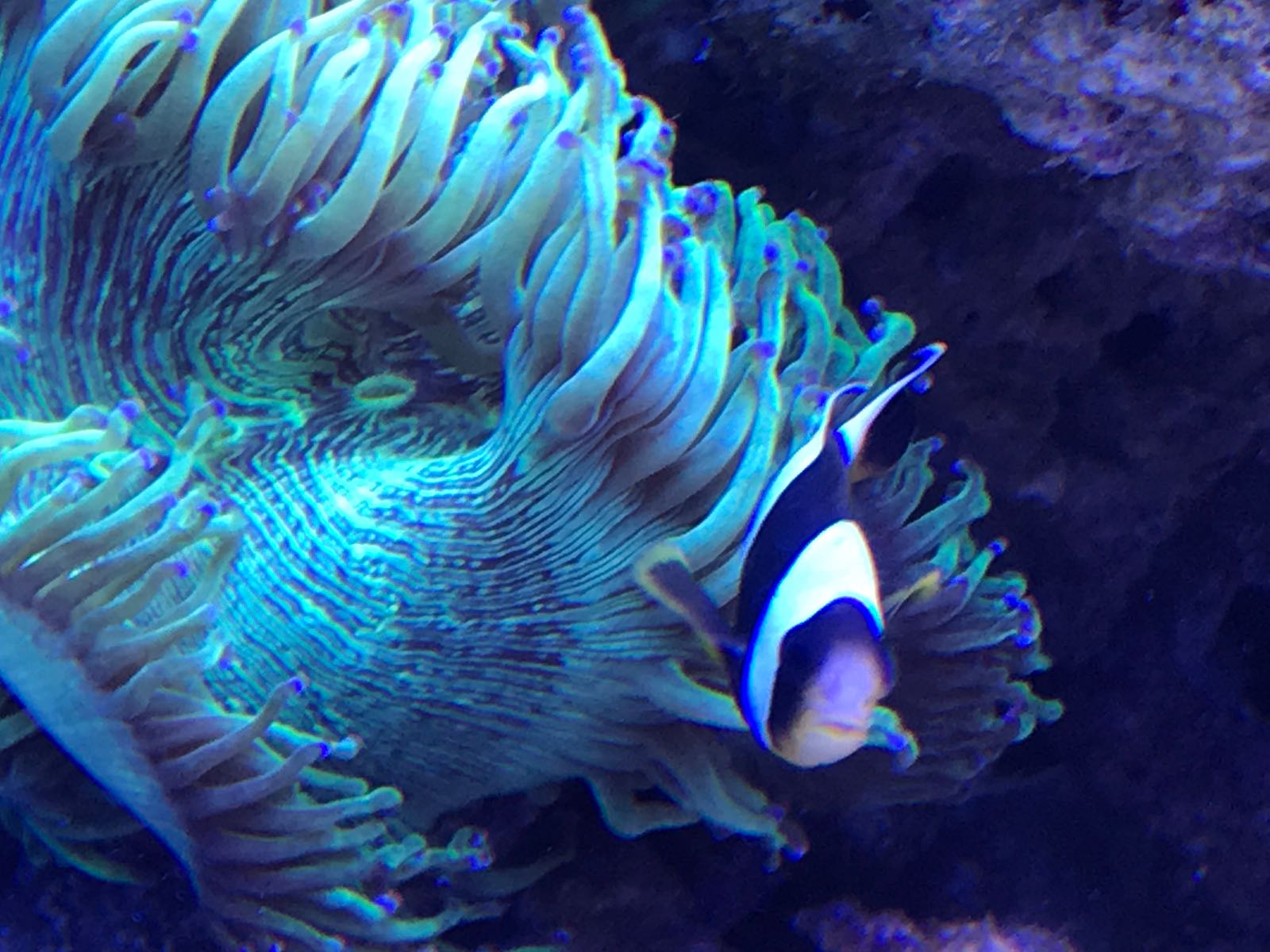
Clownfish/nemonefish are, amongst other, a highly recognized fish species exhibiting an interesting symbiotic association with anemone. But, instead of confined only to anemones, their symbiosis can also be seen to occur even in the barrier reef aviary. Clowfish are found in the wild in a symbiotic relationship with sea anemones. Clownfish are defended at the…

Zooxanthellae
Zooxanthellae are small, unicellular algae that are symbiotically housed in the tissues of the majority of coral species[r14]. These are algae that contribute to the coloration of and nourishes corals by photosynthesis. The mutualism between zooxanthellae and corals is a delicate equilibrium. Corals help algae to avoid predators, help algae to reach light and in…

Aquarium glass indicator
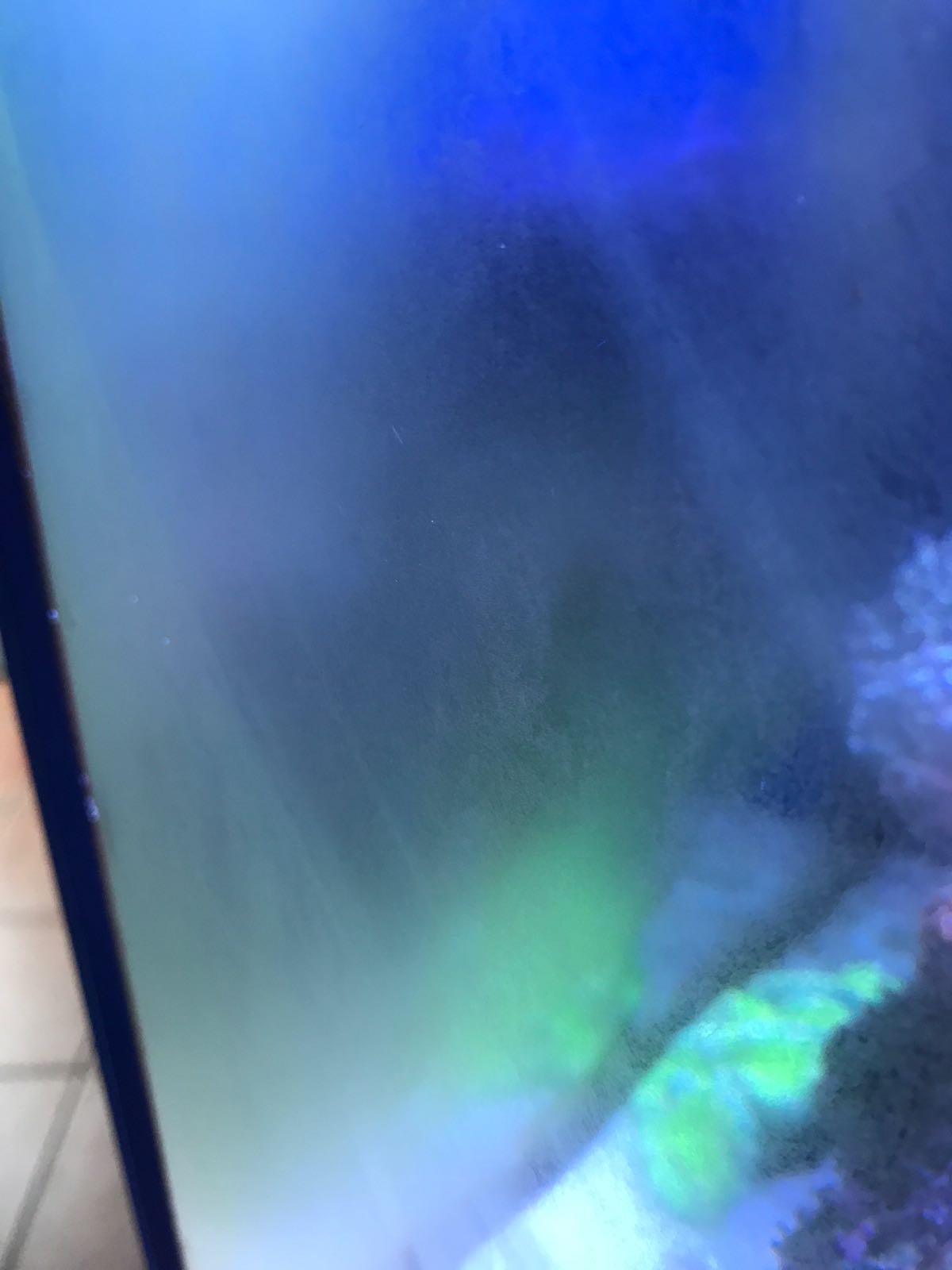
Have you ever wondered if you can tell how polluted a coral reef aquarium is by looking at how dirty the glass gets? After all, according to the hypothesis of a marine biologist, Dr. Richard L. Jones, it could be true. In his book “The Reef Aquarium: Science, Art, Technology,” Dr. Jones proposes that accumulation…

The Mitrax crab
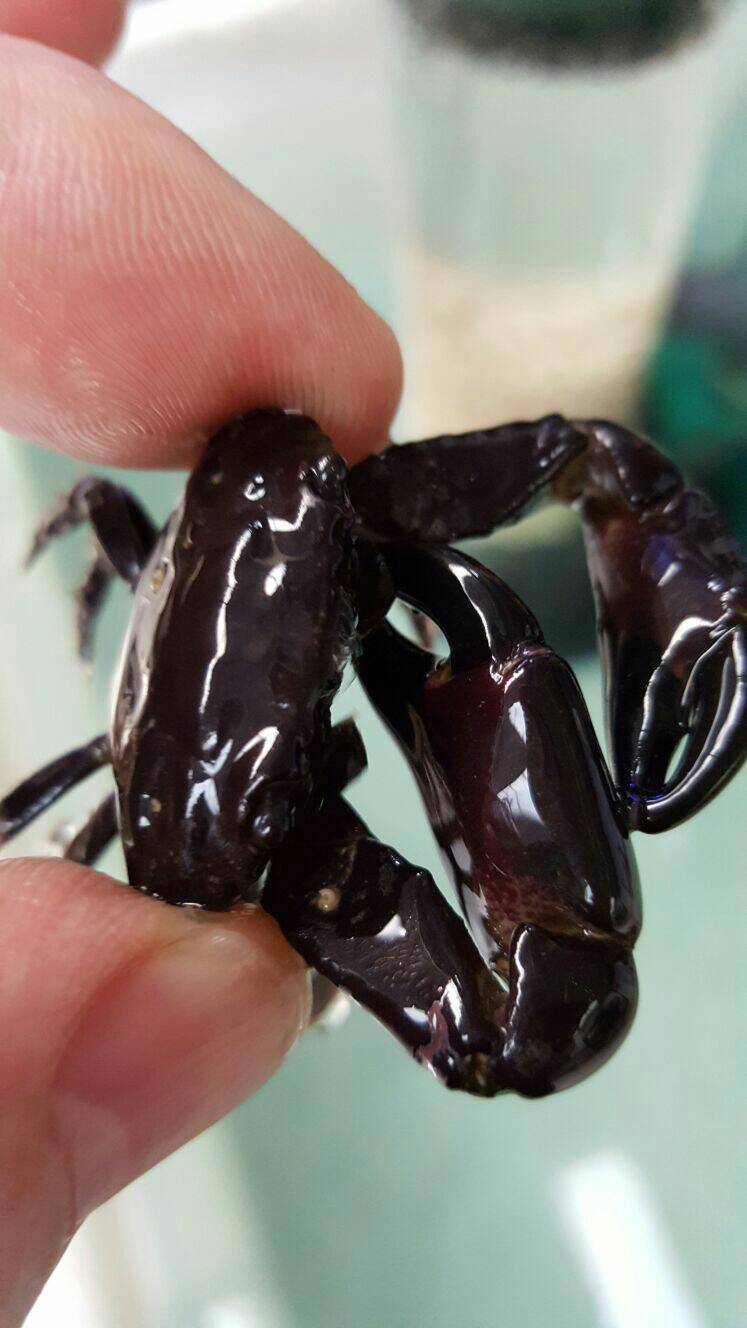
The Mitrax crab, or Mitre crab, is a relatively common pet crab choice for the aquarium enthusiast, not only because of its striking morphology but also for its intriguing behaviour. These crabs are small and can be held in many marine aquariums, such as reef tanks and fish-only tanks. For setting up the aquarium of…